

The Most Comprehensive Introduction to Silicone Glue for Electronics
In the realm of electronics, where precision and durability are paramount, the choice of adhesive is crucial. Silicone glue emerges as a hero in this arena, offering a versatile and reliable solution for various electronic applications. From sealing sensitive components to bonding intricate circuits, silicone glue proves its worth time and again. In this comprehensive guide, we delve into the world of silicone glue for electronics, exploring its types, applications, and benefits.
What is Silicone Glue?
Silicone glue, also known as electronic industrial silicone glue, is a type of adhesive specifically formulated for electronic applications. It belongs to the family of adhesives and sealants renowned for their versatility and resilience. Unlike conventional adhesives, silicone glue cures to form a flexible and durable bond, making it ideal for use in environments with temperature fluctuations and mechanical stress.
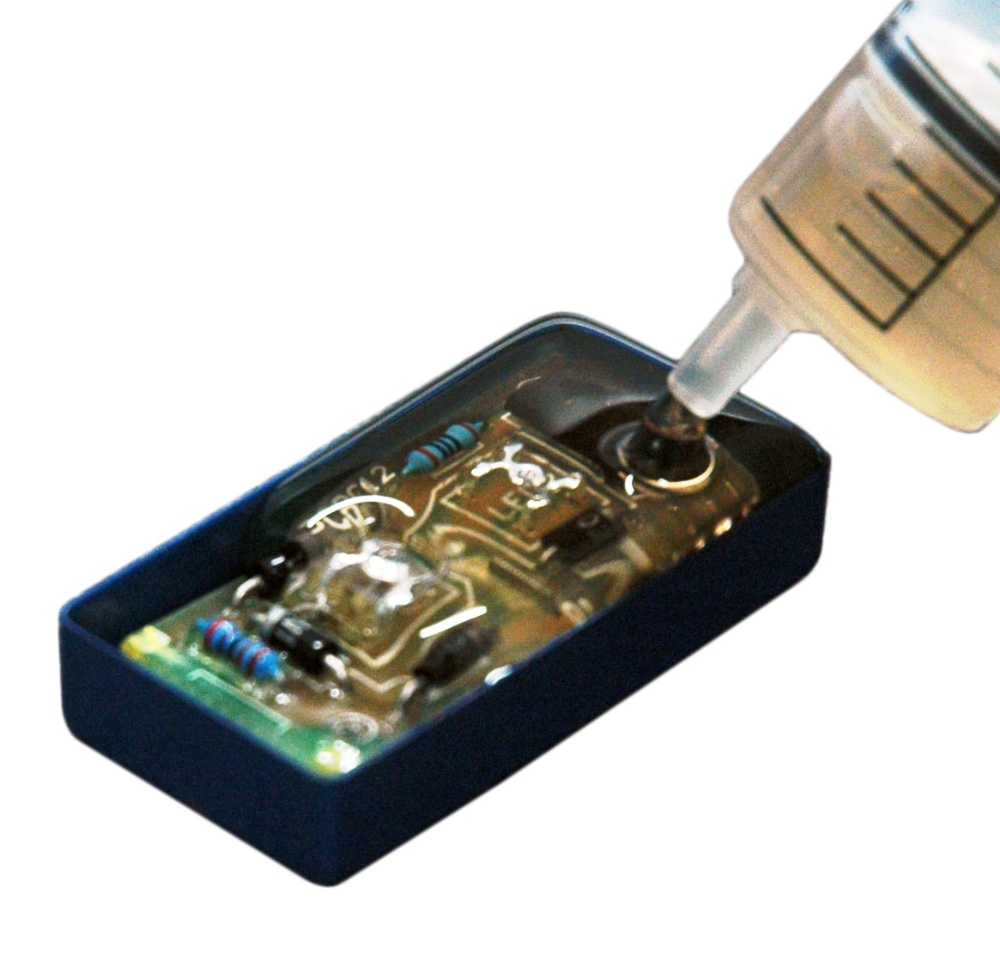
Types of Silicone Glue:
- RTV Silicone: Room Temperature Vulcanizing (RTV) silicone isone of the most widely used types of silicone glue in electronics. Itcures at room temperature to form a flexible rubber-like seal, providingexcellent adhesion to various substrates.
Silicone Sealant: Silicone sealants are formulated to create awaterproof and airtight seal. They are commonly used for sealing jointsand seams in electronic enclosures to prevent moisture ingress and dustcontamination.
Applications of Silicone Glue in Electronics:
- Component Sealing: Silicone glue is used to seal electroniccomponents such as sensors, connectors, and circuit boards to protect themfrom moisture, dust, and corrosion.
- Bonding Circuitry: It facilitates the bonding of delicatecircuitry onto substrates, ensuring reliable electrical connections andmechanical stability.
- Encapsulation: Silicone glue is employed for encapsulatingelectronic assemblies, providing insulation against electrical shock andenvironmental hazards.
Repair and Maintenance: It serves as a reliable adhesive forrepairing damaged electronic devices, offering a quick and durablesolution for rejoining broken parts.
Benefits of Silicone Glue:
- Flexibility: Silicone glue remains flexible even after curing,accommodating thermal expansion and contraction without compromising thebond integrity.
- Weather Resistance: It exhibits excellent resistance to UVradiation, moisture, and extreme temperatures, making it suitable foroutdoor and harsh environment applications.
- Electrical Insulation: Silicone glue possesses high dielectricstrength, preventing electrical leakage and short circuits in electronicassemblies.
Longevity: With its durable and inert nature, silicone glueensures long-lasting performance, reducing the need for frequent repairsand replacements.
24-Hour Cure Time:
Most silicone glues require approximately 24 hours to fully cure and achieve optimal bond strength. During this curing period, it is essential to maintain proper temperature and humidity conditions for the adhesive to develop its full properties.
In conclusion, silicone glue stands as a versatile and indispensable adhesive for electronics, offering a combination of flexibility, durability, and resilience. Whether it's sealing sensitive components or bonding intricate circuitry, silicone glue proves its mettle in the demanding world of electronics. With its myriad applications and benefits, it's no wonder that silicone glue remains a go-to choice for electronic engineers and hobbyists alike. As a professional silicone glue manufacturer and electrical insulating solutions provider, we would be pleased to advise you individually, and you are also welcome to send your inquiry to eason@jxrt.com.